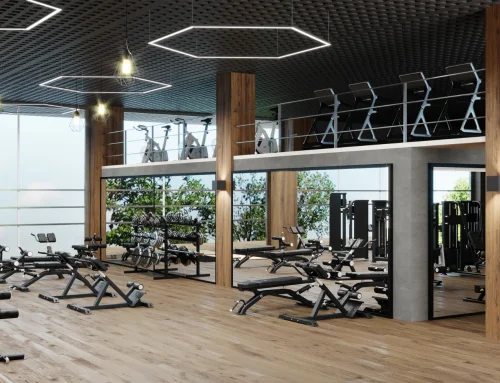
Member retention is one of the most critical components of a successful gym, directly impacting profitability and sustainability. With rising competition and fluctuating member engagement, gyms need effective strategies to enhance loyalty and reduce churn. By understanding proven retention strategies, owners can create a nurturing environment that encourages members to stay long-term. This guide will explore essential tactics, including building strong relationships, engaging programs, effective feedback mechanisms, and community building. Additionally, we will uncover how incorporating personalized communication and loyalty programs can significantly bolster membership retention. With actionable insights, gym owners can implement these strategies to build a thriving fitness community.
Building Strong Relationships
Fostering strong relationships with gym members is vital for enhancing retention. This process begins with regular check-ins and personalized interactions, which help create a sense of belonging among the members. Beyond just monitoring attendance, understanding members’ fitness goals and progress encourages deeper engagement. When members feel valued, their likelihood of staying with the gym increases.
Communication also plays a crucial role in developing these relationships. Gym owners should encourage feedback and open lines of communication, allowing members to express their opinions about the gym’s services. By making members feel heard and addressing their concerns, gyms can reinforce member loyalty and create a positive community culture.
Engaging Programs

Creating diverse and engaging programs is essential for maintaining member interest. A variety of fitness options caters to different interests and preferences, which can significantly enhance the gym experience. Programs should continuously evolve based on member feedback to ensure they remain relevant and engaging.
Here are some examples of engaging programs:
1. Fitness Classes: Offering a range of classes, from yoga and Pilates to high-intensity interval training (HIIT), can attract diverse populations.
2. Personal Training: Tailored personal training sessions can help members achieve their specific fitness goals.
3. Nutrition Workshops: Providing workshops on nutrition and wellness can enhance the overall health offerings of the gym.
Integrating these engaging programs allows members to explore various activities, preventing monotony and promoting fitness journeys.
For gyms looking to enhance their member engagement strategies, Gym Marketing Pros offers tailored marketing solutions specifically designed to increase engagement and retention. Their expert insights can help gym owners create impactful programs that resonate with their target audience.
Incentive Programs
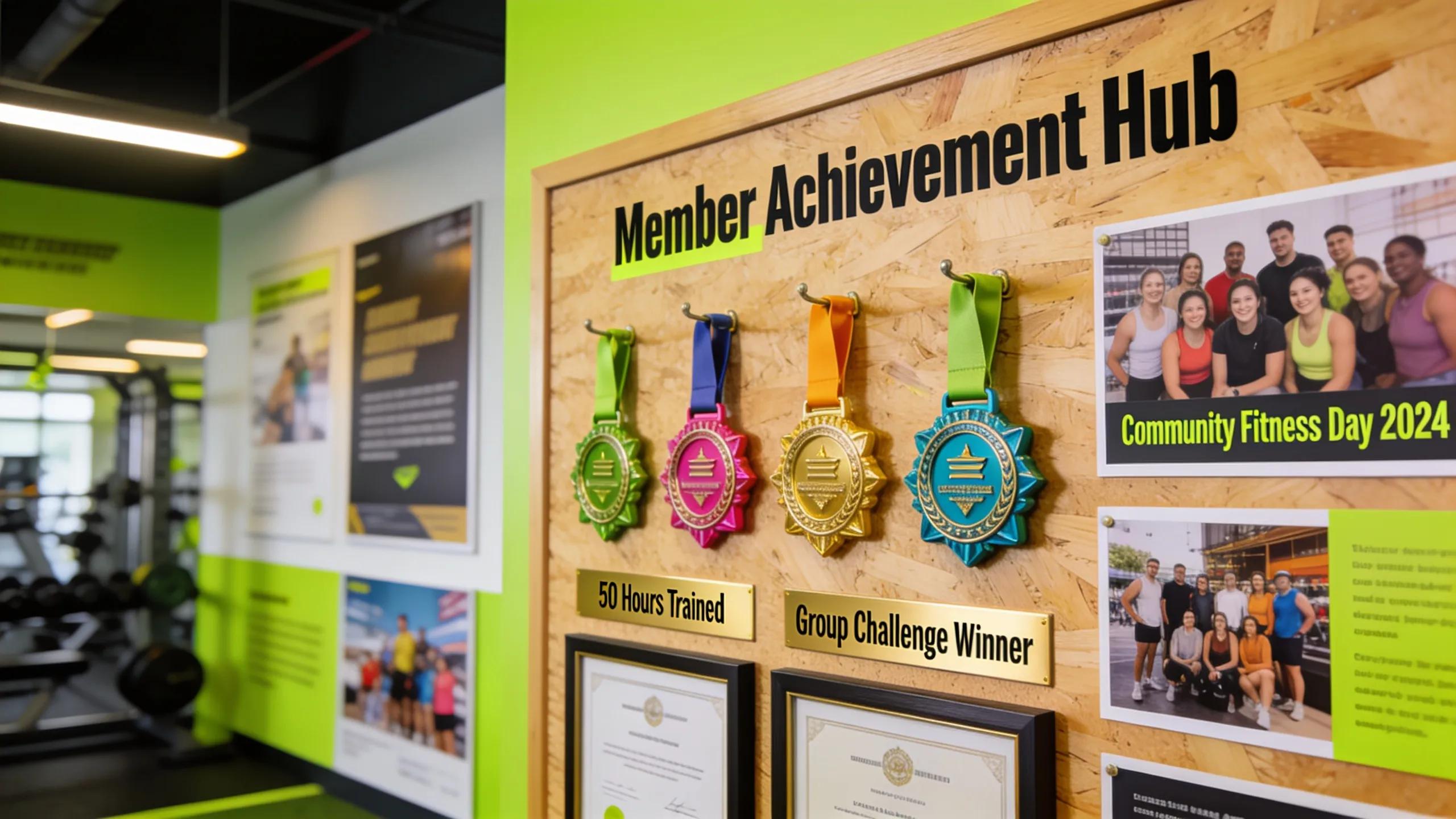
Implementing incentive programs encourages retention through rewards that recognize member loyalty. These programs can take several forms, including referral discounts, attendance rewards, and milestone achievements.
Effective incentive strategies might include:
1. Referral Discounts: Rewarding existing members for bringing in new members through discounts promotes growth while retaining current clientele.
2. Attendance Rewards: Offering prizes or recognition for attending classes consistently encourages regular participation.
3. Milestone Rewards: Celebrating personal achievements, such as workout anniversaries or fitness goals, fosters a supportive environment.
When gyms implement these incentives, they provide further reasons for members to engage consistently. Incorporating such programs fosters a sense of community and promotes long-term commitment.
Feedback Mechanisms
Establishing effective feedback mechanisms is key to gathering insights on member satisfaction and program effectiveness. Regular surveys help track member experiences and identify areas for improvement. Feedback allows gyms to adapt quickly to members’ needs and preferences, creating a more tailored experience.
Practical steps for implementing feedback systems:
1. Surveys: Conducting regular surveys to assess member satisfaction can provide quantifiable data on gym services.
2. Open Suggestion Channels: Creating a platform for members to suggest improvements or new ideas reinforces their importance within the gym community.
3. Acting on Feedback: Demonstrating a commitment to addressing member feedback can significantly enhance loyalty and trust.
After establishing feedback systems, gyms can gain invaluable insights that help in refining services and offerings. Gym Marketing Pros specializes in consultation services to help gyms develop effective feedback mechanisms, ensuring they listen to their members.
Research further emphasizes the power of feedback in member retention, highlighting that engaging customers through feedback taps into intrinsic motivators such as fairness and a sense of being valued.
Non-Monetary Strategies for Gym Member Reactivation and Retention
This thesis investigated the effectiveness of non-monetary customer reactivation strategies – personalized messages and feedback surveys – as alternatives to traditional financial incentives in subscription-based business models. Conducted with Kerhis Gym, a small Finnish gym chain, a six-week field experiment targeted 360 former members to evaluate these approaches. Results show that feedback emails significantly increased customer return rates, nearly tripling the baseline, while personalized messages alone had little impact. These findings suggest that engaging customers through feedback taps into intrinsic motivators such as fairness, and a sense of being valued, which can be effective for reactivation.
Source: Re-engaging Lost Subscribers: Testing Non-Monetary Win-Back Strategies in a Competitive Fitness Industry, 2025
Community Building
A thriving gym community enhances member retention by fostering connections among members. Building a sense of camaraderie encourages people to stay loyal to the gym and motivates them to participate in activities together.
Community-building initiatives may involve:
1. Social Media Interaction: Utilizing platforms like Facebook or Instagram to highlight member achievements and encourage interaction builds a sense of belonging.
2. Member Success Stories: Sharing success stories within the gym can inspire and motivate others, enriching the community spirit.
3. Organizing Community Events: Hosting events like fitness challenges or charity runs brings members together while promoting them actively.
By investing in community building, gyms not only create social connections but also deepen the emotional ties members have to their facility.
Personalized Communication
Tailored communication strategies can significantly improve member retention by addressing individual member needs and preferences. By using data to personalize contact, gyms can create a more engaging experience.
Effective personalized communication tactics include:
1. Celebrating Milestones: Sending personalized messages on birthdays or membership anniversaries fosters a personal touch.
2. Regular Updates: Sharing tailored content based on individual member interests keeps them engaged and informed.
3. Targeted Promotions: Offering promotions aligned with individual fitness goals can entice members to continue their membership.
By adapting communication to fit the personality and preferences of each member, gyms can enhance engagement and foster longer-lasting relationships.
Loyalty Programs
Implementing structured loyalty programs enables gyms to reward committed members and encourage renewals. These programs can significantly improve retention rates by providing tangible benefits for continued membership.
Key elements of effective loyalty programs include:
1. Point Systems: Awarding points for attendance or participation can incentivize use and increase member interaction.
2. Tiered Reward Levels: Creating tiered levels based on participation can motivate members to engage more to achieve upper-tier rewards.
3. Promoting Rewards Effectively: Ensuring members understand their rewards and how to attain them is crucial for program success.
With loyalty programs adequately structured, members feel recognized and valued, which enhances their connection to the gym and reduces the likelihood of churn.
Group Events and Challenges
Organizing group events and challenges creates opportunities for member interaction while promoting fitness goals. Engaging members through fun and social fitness activities can significantly improve attendance and foster community spirit.
Examples of group activities include:
1. Fitness Competitions: Hosting friendly competitions encourages members to push their limits while building camaraderie.
2. Social Events: Organizing social gatherings or themed classes can draw in different member segments and provide networking opportunities.
3. Creating Challenges: Implementing fitness challenges that members can participate in collectively, such as “30 Days of Fitness,” can increase engagement and motivation.
Group events strengthen community ties and build a supportive environment that encourages members to stay on track with their fitness journeys.
Regular Performance Tracking
Monitoring retention success rates is essential for understanding the effectiveness of implemented strategies. Tracking attendance metrics and engagement levels provides valuable insights into member behavior.
Techniques for regular performance tracking include:
1. Attendance Analytics: Utilizing software to analyze attendance trends allows gym owners to identify patterns of disengagement.
2. Assessment of Effective Strategies: Regularly evaluating the success of engagement tactics helps fine-tune programs for higher retention.
3. Adjusting Based on Data: Adapting strategies based on performance data ensures gyms can remain relevant to their members’ evolving needs.
Regular performance tracking informs gym owners about current trends, allowing them to make informed decisions to boost retention rates.
Welcoming Environment
Creating a welcoming atmosphere is fundamental to member satisfaction. A positive gym environment not only attracts new members but also encourages existing members to return.
Factors contributing to a welcoming environment include:
1. Maintaining Cleanliness: Ensuring facilities are clean and well-organized significantly affects member perceptions of the gym.
2. Staff Friendliness: Friendly, knowledgeable staff can create a warm and inviting atmosphere for all members.
3. Inviting Facilities: Comfortable and aesthetically pleasing spaces enhance the overall member experience, making them more likely to return.
A welcoming environment sets the tone for a positive gym experience, leading to higher retention rates.
What Are the Most Effective Gym Member Engagement Tactics to Reduce Churn?
Effective gym member engagement tactics are essential in reducing churn rates and enhancing customer loyalty. By implementing strategies that foster interaction and connection, gyms can create a loyal member base.
1. Regular Communication: Consistently communicating value through newsletters or social media helps keep members informed and engaged.
2. Personalized Experiences: Tailoring offerings to meet individual member needs increases their attachment to the gym.
3. Rewarding Loyalty: Recognizing and celebrating loyal members not only makes them feel appreciated but also encourages them to remain committed.
These engagement tactics create a fitness space where members feel valued and motivated, ultimately reducing churn.
How Does Personalized Communication Improve Gym Member Retention?
Personalized communication significantly enhances gym member retention by creating stronger connections between staff and members. Tailored messaging can keep members engaged and informed while addressing their specific needs.
1. Individualized Messaging: Crafting messages that address personal fitness goals cultivates a unique member experience.
2. Celebration of Success: Acknowledging individual milestones builds member loyalty and satisfaction.
3. Targeted Promotions: Utilizing personalized offers based on member preferences can stimulate consistent engagement.
The impact of personalized communication reinforces relationships, ultimately making members more likely to remain loyal to the gym.
Which Incentives and Events Drive Consistent Member Participation?
Understanding which incentives and events resonate with members is crucial for driving consistent participation. By focusing on what members find appealing, gyms can effectively increase attendance and engagement.
1. Reward Systems: Incentives such as discounts or free sessions for referrals are both effective and popular.
2. Social Events: Engaging members through events facilitates interaction and encourages them to attend more frequently.
3. Fitness Challenges: Implementing group challenges or competitions amplifies excitement and motivates members to remain involved.
By identifying and implementing appealing incentives and events, gyms can create an engaging atmosphere that fosters long-term participation.
Strategic service diversification, including personalized training programs and various group fitness activities, is also crucial for enhancing economic efficiency and attracting and retaining members in the competitive fitness industry.
Enhancing Gym Profitability Through Service Diversification
The rapid expansion of the global fitness industry has intensified competition among fitness centers, compelling them to adopt innovative and sustainable business models. Traditional reliance on membership fees is increasingly insufficient to ensure long-term profitability and resilience. This study examines a multi-dimensional approach to improving the economic efficiency of fitness centers through strategic service diversification. The research integrates perspectives from entrepreneurship, digital transformation, and customer relationship management to evaluate the effectiveness of additional training services including personalized training programs, group-based fitness activities such as yoga and high-intensity interval training (HIIT), nutrition consulting, corporate wellness programs, and digital fitness platforms.
Source: ENHANCING ECONOMIC EFFICIENCY OF FITNESS CENTERS THROUGH MULTI-DIMENSIONAL SERVICE DIVERSIFICATION STRATEGIES: A GREEN …, 2026
How Can Data Analytics Help in Reducing Fitness Center Churn Rates?
Data analytics plays a significant role in enhancing gym member retention by providing actionable insights into member behavior. Analyzing data helps identify churn risk factors and enables strategic interventions.
1. Behavior Monitoring: Keeping track of class attendance, member engagement, and participation rates helps highlight patterns that may indicate impending churn.
2. Predictive Analysis: Employing analytics tools to forecast churn rates allows gym owners to proactively address issues before they escalate.
3. Data-Driven Decision Making: Insights derived from collected data can inform the refinement of marketing strategies and operational changes.
By leveraging data analytics, gyms can develop strategies that effectively minimize churn and enhance member satisfaction.
What Member Behavior Metrics Predict Churn and How to Monitor Them?
Monitoring member behavior metrics is crucial for predicting churn and understanding member engagement. Key metrics include:
1. Class Attendance Patterns: Tracking frequency can indicate potential disengagement.
2. Feedback Scores: Evaluating feedback from surveys highlights areas for improvement.
3. Engagement Levels: Analyzing participation in events can inform retention strategies.
These metrics empower gyms to make data-driven decisions on enhancing member satisfaction and reducing churn.
How to Implement Churn Prediction Models Using Gym Data?
Effective churn prediction models utilize various data points to forecast membership cancellation likely. Implementing these models requires a systematic approach:
1. Data Collection: Gather relevant data, including attendance records, enrollment history, and feedback.
2. Model Creation: Develop predictive models using machine learning algorithms tailored to the unique data set.
3. Regular Updates: Continuously refine and update the model based on new data to improve accuracy and effectiveness.
By applying churn prediction models, gyms can proactively retain members and enhance their overall services.
What Are Effective Gym Loyalty Programs That Increase Membership Renewals?
Implementing effective loyalty programs can significantly boost membership renewals. Key characteristics of successful programs include:
1. Clear Structure: A well-defined program with straightforward benefits encourages participation and understanding.
2. Frequent Engagement: Regularly communicating program updates keeps members informed and excited to participate.
3. Personalization: Offering customized rewards encourages individual interaction with the program.
By focusing on these aspects, gyms can successfully implement loyalty programs that foster long-term commitment among their members.
Which Loyalty Rewards Encourage Long-Term Gym Commitment?
Understanding which rewards effectively encourage long-term commitment can ensure loyalty programs are impactful. Some popular reward types include:
1. Discounts on Renewals: Offering a discount for early renewals incentivizes members to commit to another term.
2. Upgraded Membership Features: Providing access to exclusive classes or training sessions rewards continued patronage.
3. Recognition Programs: Acknowledging top members through awards or features promotes membership pride and loyalty.
These incentives significantly contribute to fostering an inclusive environment that encourages commitment and participation.
How to Design Tiered Membership Benefits to Maximize Retention?
Designing tiered membership benefits can maximize retention by catering to varying levels of member involvement. It’s essential to consider:
1. Benefit Diversity: Offering different benefits for each tier encourages members to strive for higher levels.
2. Accessibility: Ensuring that benefits are attainable and relevant to the member’s engagement levels is key.
3. Regular Communication: Consistently updating members on available benefits encourages engagement and highlights program value.
Implementing tiered benefits fosters a sense of achievement among members while driving engagement and participation.
How Does Retention Marketing for Gyms Leverage Automation to Improve Member Lifecycle?
Retention marketing leverages automation to enhance member lifecycle management effectively. By integrating automated processes, gyms can streamline member engagement and retention strategies.
1. Automated Campaigns: Utilizing tools to set up automatic outreach for reminders, offers, and announcements keeps members engaged without constant manual efforts.
2. Behavior Triggered Communication: Implementing automated messaging based on member actions (e.g., class sign-ups) personalizes the interaction.
3. Analytics Integration: Automated data collection allows for real-time feedback and adjustments to marketing strategies.
Adopting automation in retention marketing significantly elevates member interactions, streamlining processes while maintaining personal connections.
What Marketing Automation Tools Best Support Gym Member Engagement?
Identifying effective marketing automation tools can support gym member engagement strategies. Popular tools among gym operators include:
1. Email Marketing Platforms: Tools like Mailchimp or Constant Contact facilitate easy communication and targeted messaging.
2. CRM Systems: Customer relationship management systems help track member interactions and preferences, improving personalization efforts.
3. Social Media Management Tools: Platforms like Hootsuite simplify the management of social media interactions and content sharing.
These tools provide seamless integration of marketing efforts, enhancing engagement, and ultimately improving retention rates.
How to Create Automated Campaigns that Reduce Churn Effectively?
Creating automated campaigns is key to reducing churn effectively while ensuring ongoing engagement with members. Key components of automated campaigns include:
1. Segmentation: Classifying members based on behaviors allows for tailored messaging that resonates.
2. Testing and Optimization: Continuously refining automated campaigns based on performance metrics ensures their effectiveness.
3. Feedback Mechanisms: Integrating feedback collection into campaigns provides insight into member needs and expectations.
By implementing well-designed automated campaigns, gyms can maintain active communication with members, enhancing the chance of retention.
How Do Fitness Membership Renewal Strategies Align With Measuring Member Satisfaction?
Linking membership renewal strategies with member satisfaction metrics can reveal insights into gym health. Key metrics to consider include:
1. Net Promoter Score (NPS): Gauging member likelihood to recommend the gym can predict renewal rates.
2. Service Feedback: Understanding satisfaction with the gym’s offerings can inform improvements and retention strategies.
3. Engagement Levels: Tracking member interaction with classes and activities helps assess overall satisfaction.
Aligning renewal strategies with satisfaction measurement ensures that gyms are not only retaining members but also improving their overall experience.
What Metrics Accurately Measure Gym Member Satisfaction?
Identifying metrics that effectively measure gym member satisfaction is essential for continuous improvement. Common metrics include:
1. Survey Results: Regular feedback surveys provide direct insights into member perceptions.
2. Usage Statistics: Tracking attendance and participation levels helps gauge member engagement.
3. Retention Rates: Measuring churn rates and renewals indicates the overall health of the membership base.
These metrics provide a comprehensive view of member satisfaction, allowing gyms to implement data-driven strategies for improvement.
How Can Feedback Loops Improve Renewal Rates in Fitness Centers?
Implementing feedback loops is vital in optimizing renewal rates within fitness centers. Effective feedback loops involve:
1. Regular Surveys: Conducting consistent surveys to gauge member satisfaction enhances responsiveness to their needs.
2. Acting on Insights: Utilizing feedback to make tangible changes in services ensures members feel heard.
3. Closing the Loop: Communicating changes made based on member feedback reinforces the value of their input.
These loops create a responsive atmosphere where members feel appreciated and engaged, ultimately increasing renewal rates.